
Cardiology
Veterinary Cardiology in Williamsburg, VA: Advanced Heart Care You Can Trust
Heart health plays a critical role in your pet’s overall wellbeing. Conditions affecting the heart can develop gradually and may not show obvious signs in the early stages.
Cardiac issues can affect pets of all ages, though they are more commonly seen in older animals. Some conditions are congenital, meaning they are present from birth, while others develop later due to age or underlying health factors. Early detection allows for better management and can help maintain quality of life.
Common signs of heart-related concerns may include coughing, fatigue, difficulty breathing, reduced activity, or fainting episodes. Because these symptoms can overlap with other conditions, proper evaluation is important to determine the underlying cause.
At Middle Plantation Animal Hospital, we offer cardiology services that focus on identifying concerns early and managing heart conditions with a clear understanding of how they progress over time for pets in Williamsburg, Kingsmill, Queen’s Lake, Merrimac, and surrounding communities.
Cardiology Services and Diagnostics
Evaluating your pet’s heart health requires a thorough and detailed approach. Cardiology assessments are designed to identify changes in heart function, detect underlying conditions, and guide appropriate treatment based on your pet’s specific needs.
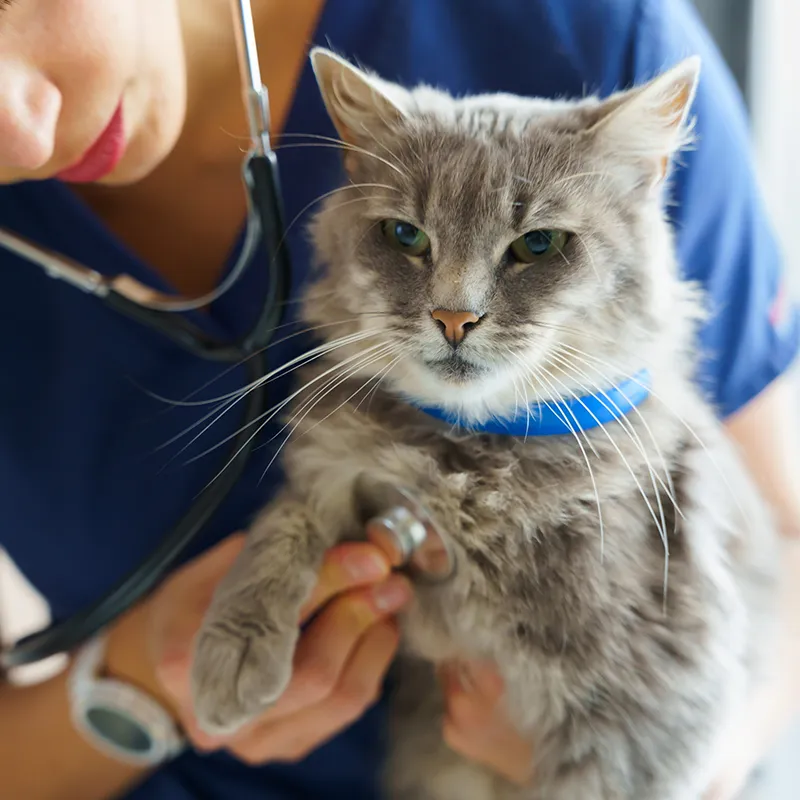
At Middle Plantation Animal Hospital, cardiology evaluations combine physical exams with advanced diagnostic tools to better understand how your pet’s heart is functioning and to detect concerns as early as possible.
Cardiology evaluations may include:
- Listening for heart murmurs or irregular rhythms to identify early signs of heart disease
- Chest radiographs (X-rays) to evaluate heart size, shape, and lung condition
- Electrocardiograms (ECG) to assess heart rhythm and detect abnormalities
- Blood pressure monitoring to identify hypertension or related concerns
- Additional diagnostic testing as needed based on initial findings
These diagnostics provide important insight into both structural and functional changes in the heart. By identifying issues early, we can better guide treatment decisions and monitor progression over time.
In many cases, subtle changes—such as decreased stamina, mild coughing, or changes in breathing—may be the first signs of a developing heart condition. Recognizing and evaluating these shifts early allows for more effective management and can help maintain your pet’s comfort and quality of life.
Common Heart Conditions in Pets
Pets may experience a range of cardiac conditions, including:
- Heart valve disease, which can lead to murmurs and reduced efficiency
- Congestive heart failure, where fluid may build up in the lungs or abdomen
- Arrhythmias, or irregular heart rhythms
- Congenital defects present from an early age
Each condition varies in severity and progression, which is why ongoing monitoring is often recommended once a diagnosis is made.
Managing Heart Conditions Over Time
While some heart conditions cannot be reversed, many can be managed with medication and regular monitoring. The goal is to reduce symptoms, support heart function, and maintain your pet’s comfort.
Management may include:
- Prescription medications to support heart function
- Monitoring changes in breathing, activity, and appetite
- Follow-up imaging or testing to track progression
- Adjustments based on how your pet responds over time
Consistency in monitoring helps identify changes early and allows for timely adjustments.
Pets living in areas like Kingsmill, Queen’s Lake, and Merrimac often remain active well into later life stages, making it especially important to recognize subtle changes in endurance or breathing that could indicate a cardiac concern.
When to Schedule a Cardiology Evaluation
A cardiology evaluation may be recommended if a heart murmur is detected, symptoms are present, or as part of routine care for aging pets. Early evaluation helps establish a baseline and identify any concerns before they progress.
Signs that should not be ignored include:
- Persistent coughing
- Difficulty breathing or rapid breathing at rest
- Reduced energy or reluctance to exercise
- Fainting or collapse
Addressing these signs early can help prevent more serious complications and support better long-term management.
FAQs About Heart Disease in Dogs and Cats
What are the signs of heart disease in pets?
Common signs include coughing, difficulty breathing, fatigue, reduced activity, and fainting. These symptoms may develop gradually and should be evaluated by a veterinarian.
How is heart disease diagnosed in pets?
Diagnosis typically involves a physical exam along with diagnostic tools such as X-rays, ECG, and blood pressure monitoring to assess heart function and structure.
Can heart disease in pets be treated?
While some heart conditions cannot be cured, many can be effectively managed with medication, lifestyle adjustments, and regular monitoring.
Is a heart murmur in pets serious?
A heart murmur can range from mild to more serious. Further evaluation is needed to determine the cause and whether treatment is required.
When should my pet see a veterinary cardiologist?
If your pet shows symptoms like coughing, breathing difficulty, or fatigue—or if a murmur is detected—your veterinarian may recommend a cardiology evaluation.
Can older pets develop heart disease?
Yes, heart disease is more common in older pets, which is why routine monitoring and early detection are important as pets age.
How can I support my pet’s heart health?
Regular veterinary checkups, early detection, proper medication (if needed), and monitoring changes in behavior or breathing all help support heart health.
Where can I find veterinary cardiology services in Williamsburg, VA?
Middle Plantation Animal Hospital provides cardiology services for pets in Williamsburg, Kingsmill, Queen’s Lake, Merrimac, and surrounding communities.
Cardiology care is an important part of maintaining your pet’s overall health, especially as they age or if underlying conditions are present. With proper evaluation and monitoring, many pets continue to live comfortable, active lives.
Schedule a cardiology evaluation at Middle Plantation Animal Hospital in Williamsburg, VA today.
Middle Plantation Animal Hospital
We’re committed to helping you and your pets any way we can.

Phone: 757-345-6566
Fax: 757-345-6667

7316 Merrimac Trail
Williamsburg, VA 23185, US
Also serving Kingsmill, Queen’s Lake, & Merrimac, VA and surrounding areas.

Monday – Friday: 8:00am-6:00pm
Saturday & Sunday: Closed
EXCELLENT Based on 162 reviews
 Posted on Google
 kristina milesI would give Middle Plantation Animal Hospital 10 stars if I could. We were in Williamsburg on vacation when our dog got dangerously ill with pancreatitis. I called this hospital hoping they might be willing to see us. Despite having a full schedule, they fit us in and ran a full set of tests to diagnose the illness and set a course for treatment. The doctor provided a full set of paperwork for our vet back home, along with meds, immediate dietary changes, and contact info for 24 hour emergency vet service if we had dire after-hours issues. They even had us come back the following day for further treatment and to check on her progress. These folks went out of their way for my dog when I was not their customer, and I truly believe they saved my dog’s life. I am eternally grateful to them for their kindness and excellent care.Posted on Google
 Spencer MoyerThe staff here is so great! I will not take my dog anywhere else.Posted on Google
 Joshua Van Wienen⭐️⭐️⭐️⭐️⭐️ (and then 1,999,995 more!) If I could give Middle Plantation Animal Hospital more than five stars, I honestly would. Dr. Roger and her team have been nothing short of incredible for me and my two rescue cats, Toby (7) and Gibby (14). What I appreciate most is that Dr. Roger doesn’t just treat animals - she genuinely connects with them. She calls my boys “my babies” every time we come in, and she means it. She’s straightforward, compassionate, and somehow manages to make even the tough conversations feel a little lighter. There were moments when I felt completely overwhelmed trying to figure out what was best for my cats, especially as they’ve gotten older. Her staff stepped in with so much patience and kindness that it felt like I had a whole support system behind me. They’re not just good at their jobs - they’re good people. Middle Plantation doesn’t feel like a typical vet clinic. It feels like a place where both pets and their humans can breathe a little easier. I’m genuinely grateful for everything they’ve done for us. Sharing a photo of my old man Gibby at his first visit, along with one of the techs making sure he was as comfortable as possible. ❤️❤️Posted on Google
 Joe ChenetteReally nice place. I took my 2 cats here a few times. Service has been excellent. Staff is friendly. It's enjoyable to come here.Posted on Google
 Kathryn KreisnerHappy pups! Good visit with gentle vet Ms. Roger’sPosted on Google
 Joan MalikThe entire staff is amazing. They love all of my animals. They are very through and explain everything .