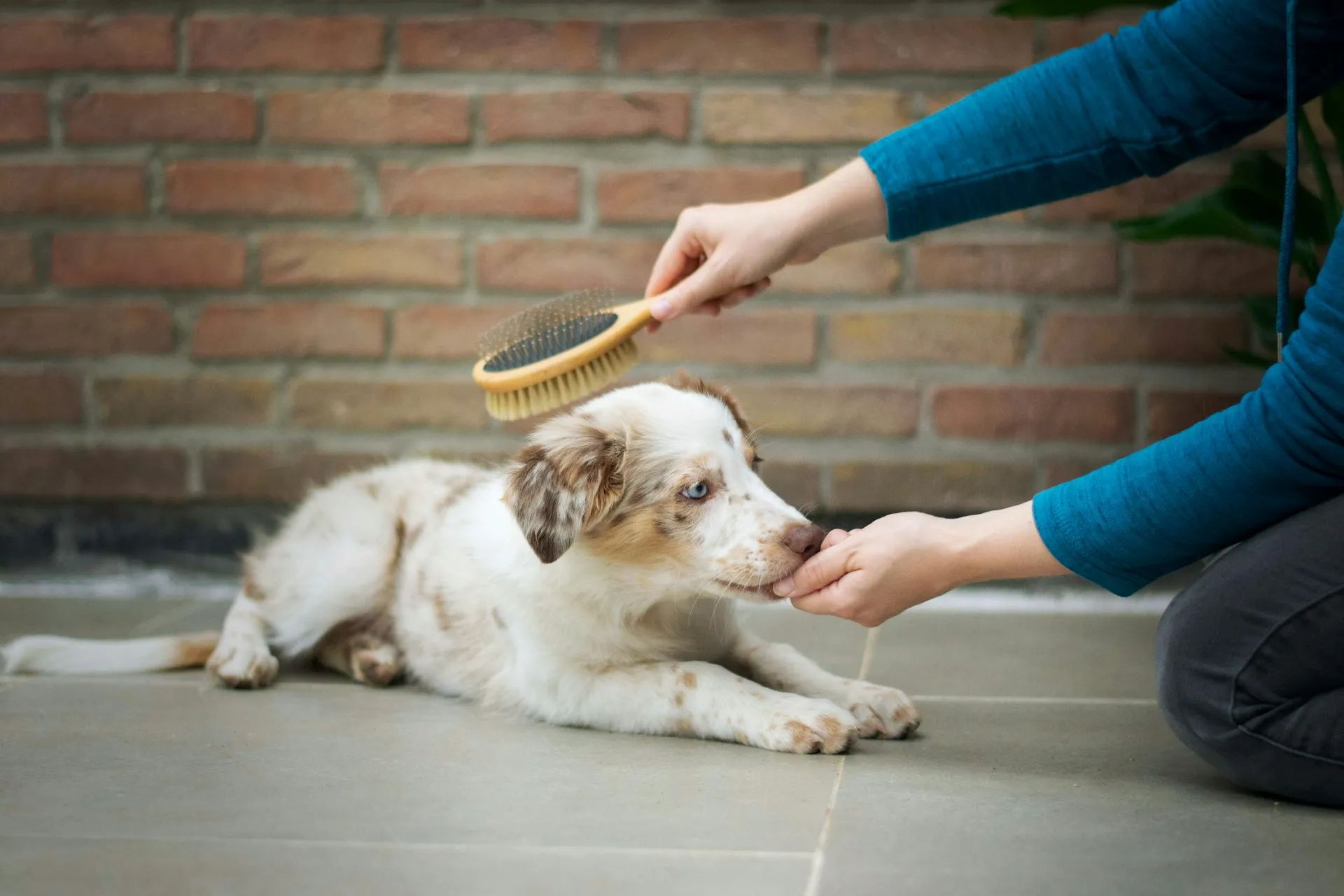
Boarding your furry friend for the first time can feel stressful for both you and your pet. At Middle Plantation Animal Clinic in Williamsburg, VA, your vet provides helpful guidance on how to prepare a pet for boarding, ensuring that Fido, Fluffy, and all your companions have a safe, comfortable, and stress-free experience. With a little preparation, you can help your pet adjust smoothly to a new environment and feel confident while away from home.
Boarding can be stressful for dogs and cats, especially if they haven’t spent time away from their home environment before. Your vet can guide you through steps to reduce anxiety, keep pets comfortable, and make the stay as positive as possible. By following a few simple tips, you’ll ensure your furry buddy’s boarding experience is safe, fun, and low-stress.
Why Preparation Matters
Preparation is key to reducing stress during boarding. Pets who are accustomed to routines, familiar items, and gentle handling are more likely to feel secure in a new environment. Your vet in Williamsburg recommends introducing your dog or cat to short periods away from home before their stay, gradually building comfort with new surroundings. This helps prevent stress-related behaviors such as hiding, excessive meowing, or pacing.
Understanding your pet’s needs, personality, and preferences allows boarding staff to provide individualized care. Dogs may need extra exercise or socialization, while cats may prefer quiet, private spaces. Your vet can offer a personalized boarding preparation checklist to ensure every detail is covered, from feeding schedules to favorite toys and blankets.
Getting Your Pet Ready at Home
There are several steps you can take at home to prepare your furry pal for boarding. Start by making sure all vaccinations are up to date. A quick wellness exam at your vet ensures your dog or cat is healthy and ready for boarding. This also allows your vet to discuss any medications, behavioral concerns, or special care instructions for your pet’s stay.
Familiarize your pet with crates or carriers if they aren’t already comfortable using them. Gradually increasing crate time while providing treats or toys can make this transition less intimidating. For dogs, short practice visits to boarding facilities or pet daycare can help them acclimate to new sights, sounds, and smells. For cats, leaving them in a safe room with their favorite blanket or bed can simulate a boarding environment and reduce anxiety.
Packing Essentials for Boarding
Bringing familiar items from home can provide comfort to pets during their stay. Include blankets, favorite toys, and any special treats that help your pet feel secure. For cats, a small scratching post or litter mat can help maintain routine. Your vet can also recommend special bedding or calming aids if your pet tends to get nervous.
Food and medication instructions should be clearly provided. Include exact feeding schedules, portion sizes, and any medications your pet requires. Clear communication ensures your furry buddy receives consistent care and avoids stress from sudden changes in diet or routine.
Reducing Stress During Boarding
Even with preparation, some pets may experience anxiety during their stay. Your vet may suggest strategies to reduce stress, such as maintaining a consistent routine, offering interactive toys, or providing soothing sounds. Boarding staff trained in gentle handling and animal behavior can help your pet feel secure and loved while you’re away.
For dogs, short walks, supervised playtime, and positive reinforcement can help burn off excess energy and reduce anxiety. Cats may benefit from quiet areas, elevated perches, or calm companionship. Your vet can provide individualized guidance based on your pet’s personality, age, and health status.
Helping New and Senior Pets Adjust
Puppies, kittens, and senior pets may require extra attention during boarding. Young animals benefit from gradual exposure and reassurance, while senior pets may need extra care for mobility issues, medication, or comfort. Your vet in Williamsburg can suggest specific strategies to support your furry pal’s physical and emotional needs during their stay.
Monitoring your pet’s behavior, appetite, and energy level is important, especially for animals with previous anxiety or health concerns. Your vet may recommend short trial stays to help new pets acclimate before a longer boarding period, ensuring a positive experience for both you and your furry friend.
The AKC has a helpful article on pet boarding here. The American Animal Hospital Association also has a good article on boarding here.
FAQ
What is the best way to prepare my dog for boarding?
Start by making sure vaccinations are current and scheduling a wellness exam. Gradually familiarize your dog with a crate or carrier, and practice short periods away from home. Bringing familiar items like blankets and toys can help reduce stress and create a sense of security.
How can I help my cat adjust to boarding?
Provide familiar bedding, toys, and a litter mat. Keep a consistent feeding schedule and consider using pheromone sprays or calming aids if your cat is anxious. Gradual exposure to new environments at home can also make the boarding experience less stressful.
How do I communicate my pet’s needs to the boarding staff?
Provide clear instructions regarding feeding, medications, routines, and any special care your pet requires. Include notes on behavioral quirks or preferences, and discuss any prior anxiety or health issues with the staff. Your vet can help you prepare a comprehensive checklist for a smooth boarding experience.
How long before boarding should I prepare my pet?
It’s best to start preparation at least a few weeks in advance. Gradually introducing crates, carriers, or practice stays helps your pet adjust at a comfortable pace. Early preparation ensures your furry buddy feels confident and less stressed during their boarding stay.
Can boarding help reduce separation anxiety?
Yes. Boarding can provide a structured environment with socialization and routine. For some dogs and cats, short, positive boarding experiences can help them adjust to being away from home and reduce anxiety over time. Your vet can recommend strategies tailored to your pet’s needs.
Visit Our Williamsburg Animal Clinic
Preparing your dog or cat for boarding can make all the difference in reducing stress and ensuring a positive experience. At Middle Plantation Animal Clinic in Williamsburg, VA, your vet provides expert guidance on boarding preparation, helping Fido, Fluffy, and your other pets feel safe, comfortable, and happy during their stay.
Looking for a veterinary clinic in Williamsburg, VA, to discuss your pet’s boarding needs? You can search for a vet near me, or call today to schedule an appointment. Your vet is ready to help your furry companion enjoy stress-free boarding with personalized advice and care.
This blog is meant to be informational only. Always consult with your veterinarian for the right medical advice, diagnosis, or treatment plan for your pet and follow their guidance.
Want to learn more about our Williamsburg animal hospital? Go to our Service page here for more information. We also do more than veterinary care. You can also try our Boarding services here or our Grooming options here.