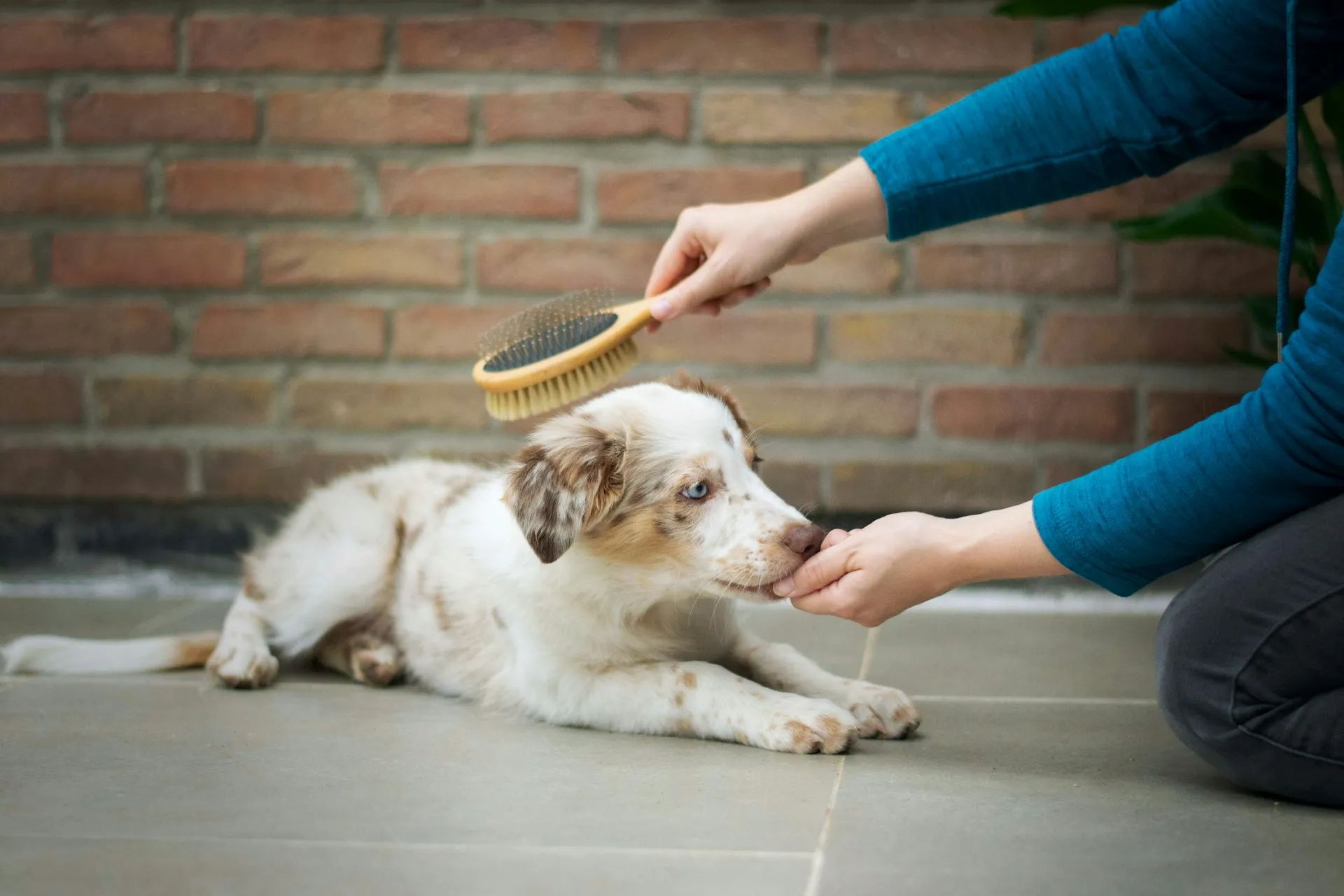
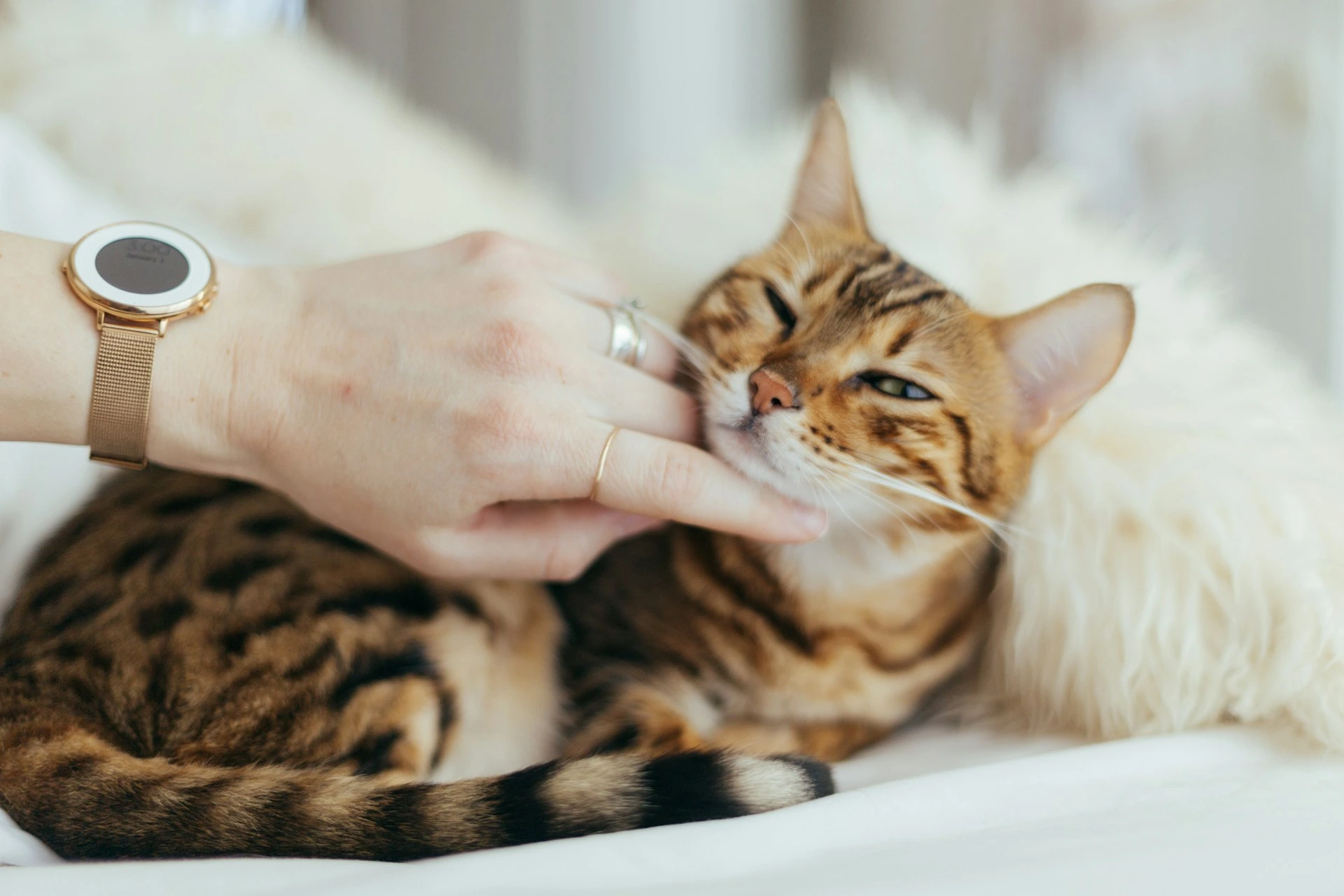
Keeping Fido and Fluffy healthy is one of the most rewarding—and important—parts of being a pet owner. At Middle Plantation Animal Clinic in Williamsburg, VA, your veterinary team will work closely with you to provide comprehensive pet wellness exams and vaccinations for dogs and cats. These visits help identify potential health concerns early, keep your furry pals protected from preventable diseases, and help them maintain a strong quality of life that is full of purrs and tail wags. Whether you’re bringing in your canine companion, your feline overlord, or both, regular checkups form the foundation of a lifetime of good health.
A pet wellness exam is much more than a quick check. Your vet will look at your dog or cat’s weight, skin, coat, teeth, heart, lungs, and even their behavior. These visits are also a great time to talk about things like nutrition, exercise, and keeping pests away. Vaccines help protect your furry friends from illnesses like rabies, distemper, and feline leukemia. By keeping up with regular appointments, you’re helping your four-legged buddies stay healthy and happy.
What Happens During a Pet Wellness Exam?
When you bring Fido or Fluffy in, your vet starts with a detailed review of their medical history. This includes questions about diet, activity levels, previous illnesses, and any recent behavioral changes. Your input helps your vet tailor the exam and create a personalized care plan for your pet.
Next comes a comprehensive physical examination. This typically includes checking vital signs such as temperature, heart rate, and respiration. Your vet will assess eyes, ears, mouth, teeth, skin, coat, and nails. They may also palpate the abdomen to check organs and detect abnormalities. For senior pets, additional screenings may be recommended to monitor for conditions like arthritis, heart disease, or kidney issues. Each step provides valuable information about your pet’s health and guides decisions regarding vaccinations and preventive care.
Depending on your pet’s age and health, your vet might suggest some tests, like bloodwork or a quick check of a sample. These tests can catch problems early, so Fido or Fluffy has the best shot at a long, healthy life.
Why Vaccinations Are Essential
Vaccinations are a critical part of your pet’s health routine. They protect dogs and cats from infectious diseases that can cause severe illness or even death. Your vet in Williamsburg follows established vaccination schedules and tailors them to each pet’s needs, lifestyle, and risk factors.
For dogs, common vaccines include rabies, distemper, parvovirus, adenovirus, and leptospirosis. Cats often receive vaccines for rabies, feline viral rhinotracheitis, calicivirus, panleukopenia, and feline leukemia. Administering vaccines on time helps prevent outbreaks and keeps your furry pals, your family, and the community safe. Your vet can also guide you on the pet vaccination schedule for dogs and cats, making it easy to stay on track and avoid missed doses.
Vaccines don’t just prevent illness—they can also help your pet recover faster if they do get sick. For example, a vaccinated kitty exposed to feline leukemia may have milder symptoms and bounce back more easily than an unvaccinated one. Keeping up with vaccines is a big part of helping your furry friend stay healthy for years to come.
Tailoring Care to Dogs and Cats
Dogs and cats each have their own health needs, so your vet will tailor exams just for them. For Fido, the focus might be on heartworm prevention, keeping him at a healthy weight, and helping with things like anxiety or barking. Vaccines are chosen based on your pet’s age, where they live, and what they might be exposed to.
Cats need regular checkups to watch for things like dental issues, kidney problems, and common kitty illnesses. Your vet will keep an eye on changes in appetite, litter box habits, and behavior, since these can be early signs of trouble. These visits are also a good time to talk about food, parasite prevention, and fun ways to keep your feline pal happy and healthy.
The Role of Preventive Veterinary Care
Preventive care is one of the biggest reasons to keep up with wellness exams and vaccines. Catching problems early can help you avoid bigger issues and expensive treatments down the road. Your vet will also talk with you about things like diet, weight, exercise, and keeping your pet’s environment safe. For example, outdoor dogs may need extra parasite protection, while indoor cats might need certain vaccines if they go to boarding or live with other kitties.
Your vet takes the time to educate pet owners on how to provide daily care that supports long-term health. This includes guidance on dental hygiene, grooming routines, monitoring for signs of illness, and recognizing subtle changes in behavior. Combining wellness exams, vaccinations, and ongoing preventive strategies helps Fido and Fluffy live longer, healthier, and happier lives.
How Often Should Pets Receive Wellness Exams?
Most vets suggest bringing healthy adult dogs and cats in for a checkup once a year. Puppies and kittens need to come in more often during their first year for vaccines and to make sure they’re growing well. Older pets may do better with visits every six months to keep an eye on age-related changes. Your vet will help you figure out the best schedule for your furry friend.
Regular visits allow your vet to maintain up-to-date health records and vaccination status, ensuring nothing is overlooked. They also provide opportunities to discuss behavioral issues, nutrition changes, or any other concerns. Routine checkups help your canine companion or feline pal feel comfortable and reduce stress during visits.
Recognizing Signs That Require Immediate Attention
Routine checkups are important, but sometimes Fido or Fluffy needs to see the vet right away. If your pet is suddenly tired, throwing up, has diarrhea, stops eating, coughs, or has trouble breathing, call your vet as soon as possible. Getting help quickly can make a big difference for your furry bestie.
Preparing for Your Pet’s Visit
To make the most of a wellness exam, bring your pet’s medical history, vaccination records, and any questions you have. Observing your pet at home can also provide valuable insights. Note changes in appetite, behavior, energy levels, and bathroom habits. Sharing these details allows your vet to create a personalized plan for your furry buddy.
If Fido or Fluffy gets nervous at the vet, talk to your vet about ways to help. Bringing a favorite blanket or toy can comfort your pet, and the exam can go at a pace that keeps them calm. Treats, gentle handling, and lots of praise can make the visit easier for your four-legged friend.
The American Veterinary Medical Association has more information about the importance of preventative care here. The American Animal Hospital Association AAHA has a solid post about the importance of wellness care here.
FAQ
What is included in a pet wellness exam?
A pet wellness exam is a full checkup for your dog or cat. Your vet will look at their eyes, ears, mouth, teeth, skin, coat, and nails, and check their vital signs. Sometimes extra tests are needed to catch hidden problems early. Your vet will also watch how your pet acts and give tips on keeping them healthy.
How often should my pet receive vaccinations?
How often your pet needs vaccines depends on their age, species, and lifestyle. Puppies and kittens need more shots in their first year, while adult dogs and cats usually just need yearly boosters. Your vet will help you set up the right schedule to keep your furry friend safe.
Why are preventive wellness exams important?
Preventive wellness exams help detect health issues before they become serious. Routine exams allow your vet to monitor weight, dental health, heart and lung function, and overall wellness. Combined with vaccinations and lifestyle guidance, these visits promote a longer, healthier life for your pet.
Can I bring more than one pet to the same appointment?
Yes! Lots of pet owners bring more than one pet in at a time for checkups or vaccines. Your vet can take care of each furry friend during the same visit, making things easier and less stressful for everyone.
What should I bring to my pet’s appointment?
Bring your pet’s medical history, vaccine records, and any questions you want to ask. Notes about their behavior, appetite, energy, and litter box habits are helpful too. This info helps your vet give your canine companion or feline pal the best care possible.
Visit Our Williamsburg, VA Pet Clinic
Regular wellness exams and vaccines are the foundation of good pet care. When you bring your dog or cat to Middle Plantation Animal Clinic in Williamsburg, VA, you’re helping protect them from illness, catch problems early, and set them up for a long, happy life. Your vet is here to give your furry pals caring, expert advice just for them.
Are you looking for a veterinary clinic in Williamsburg, VA, that prioritizes preventive care for Fido, Fluffy, and all your pets? You can search for a vet near me, or simply call to schedule your pet’s next wellness exam and vaccinations. Your vet is ready to help your furry pals thrive with expert care and personalized attention.
This blog is meant to be informational only. Always consult with your veterinarian for the right medical advice, diagnosis, or treatment plan for your pet and follow their guidance.
To learn more about our Williamsburg vet clinic, check out our main Services page here. You can also explore our Dentistry services here.